Understanding Mould Species: From Common Genera to Toxic Strains
Sep 13, 2026
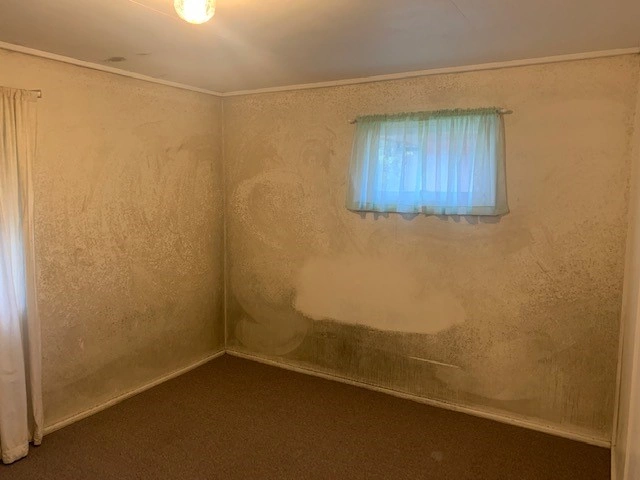
With thousands of mould species identified around the world, it is easy to feel overwhelmed by the sheer variety of microscopic fungi existing in our environment. Homeowners frequently ask: What types of mould are common or uncommon? Which ones are toxic versus non-toxic? And what mould is most commonly found inside buildings?
Understanding these classifications is essential for maintaining a healthy indoor environment and addressing contamination before it impacts your health.
1. The Diversity of Mould: Thousands of Species
Moulds are assigned to specific classifications or families based on various factors, including their physical appearance and morphology. While thousands of distinct species exist globally, only a handful are considered "common"—meaning they are easily found in outdoor nature and occasionally make their way into residential or commercial properties.
However, a critical distinction must be made: common does not mean safe.
To put it into perspective, rattlesnakes are common in certain parts of nature, but that certainly does not mean they are safe to handle. The same principle applies to many mould species frequently encountered in natural environments and water-damaged buildings.
2. Common Mould Species Found in Nature and Properties
When indoor air quality assessments or professional inspections are conducted, certain genera appear repeatedly. The following list outlines the more common mould species found in nature and within contaminated properties:
Absidia
Acremonium
Alternaria
Aspergillus (various species)
Bipolaris
Botrytis
Chaetomium
Cladosporium
Conidobolus
Curvularia
Epicoccum
Fusarium
Paecilomyces
Rhizopus
Rhodotorula
Scopulariopsis
Stachybotrys (often referred to as toxic black mould)
Syncephalastrum
Trichoderma
Trichothecium
Ulocladium
3. Toxic vs. Non-Toxic: Understanding the Risk
Not all moulds produce mycotoxins (toxic chemical metabolites), but many common indoor varieties can still act as potent allergens or pathogens depending on the concentration of spores, the length of exposure, and individual sensitivities.
Allergenic Moulds: Generally do not produce life-threatening effects, but they frequently trigger allergic reactions, asthma flares, and respiratory irritation in sensitive occupants.
Pathogenic Moulds: More likely to cause infections, particularly in individuals with compromised immune systems. While healthy people can usually resist them, high levels of exposure can still trigger severe hypersensitivity.
Toxigenic Moulds: Species like Stachybotrys produce mycotoxins that can lead to severe health consequences with prolonged exposure, ranging from chronic fatigue and neurological symptoms to respiratory distress.
4. Why Professional Identification Matters
Because many common mould species look similar to the untrained eye and require specific environmental conditions to thrive, visual identification alone is rarely enough.
If you suspect mould growth within your property, professional inspection and laboratory testing are vital steps to identify the exact species present and determine the correct remedial action to restore a safe indoor environment.
If you suspect you have mould in your house, book an inspection today with our team at Mould Control Services.
Frequently Asked Questions (FAQ)
Are all black moulds classified as toxic Stachybotrys?
No. Many common indoor moulds (such as certain strains of Cladosporium or Aspergillus) can appear dark or black to the naked eye, but they are not necessarily Stachybotrys chartarum. Laboratory analysis of samples is required to confirm species.
Can you identify mould species just by looking at them?
No. Microscopic and genetic characteristics dictate a mould's true classification. Visual checks only tell you that fungal growth is present, not what species you are breathing in.
What should I do if I suspect toxic mould in my home?
Avoid disturbing the area to prevent spreading spores. Instead, schedule a professional assessment to evaluate indoor air quality and locate hidden moisture sources.