What Is Mould? A Complete Guide to Fungal Growth and Indoor Risks
Sep 13, 2026
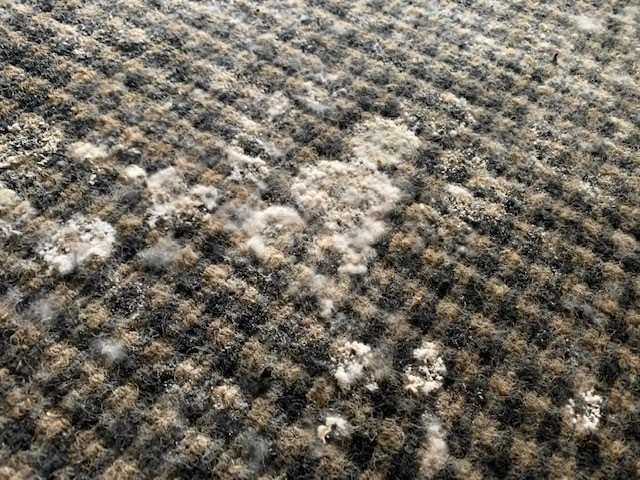
Fungi are a diverse group of single-celled and multi-celled organisms that include mushrooms, moulds, mildews, smuts, rusts, and yeasts. Mould and mould spores are found both indoors and outdoors in the air and on surfaces. They act as natural decomposers of organic matter such as wood, plants, fabric, and animal remains. Wherever there is decaying organic matter, you will find greater concentrations of mould spores.
Understanding how mould lives, spreads, and enters your property is the first step in protecting your indoor air quality.
1. How Does Mould Live and Grow?
When the environment is favourable and the right amount of nutrients (organic material for it to feed on), moisture, and oxygen are present alongside an ideal temperature, mould can begin to grow. The moisture that moulds thrive on can be obtained directly from standing water or from moisture in the air (humidity).
Moisture in buildings is usually caused by high humidity, plumbing problems, flooding, or leaks. Several other factors—including building design, local climate, ground moisture, occupant lifestyle, and the number of occupants—can also affect moisture levels.
The most common sources of excess indoor moisture within a building include:
Roof or window leaks
Plumbing leaks within walls and floors
Plumbing leaks under or behind sinks, counters, or appliances
Backed-up plumbing or overflows
Flooding from rain or exterior drainage issues
High humidity from improper ventilation, a high number of indoor plants, high occupancy, or elevated outdoor humidity
2. What Does Mould Look Like?
Mould colony growths can have a variety of different appearances depending on the species, stage of growth, and growth media. Often, mould has a fuzzy, woolly, or spotty appearance and can be black, white, brown, grey, yellow, orange, red, or green in colour.

3. How Does Mould Enter a Building?
Outdoor mould spores commonly enter a building through the air or by attaching themselves to people, animals, or items moved indoors.
The Microscopic Seed: A spore is effectively a mould colony’s “seed”, released naturally into the environment to colonise new areas. Spores are resilient and built to withstand extreme environments so that the spread of colonisation reaches a larger area. Once mould spores settle onto a viable substrate, they grow into a colony.
Astounding Numbers: A visible mould colony can house millions of spores. An area the size of a postage stamp can contain up to 65 million spores—more than enough to potentially spread across the interior of a property wherever conditions are ideal.
4. Common Building Materials and Locations
Certain products, even if considered artificial or synthetic, contain trace organic nutrients that moulds can thrive on. These range from common building materials like paint and drywall to the clothing in our closets.
Common items mould can grow on include:
Drywall and gypsum board
Paint and wallpaper
Wood and hardwood flooring
Baseboards and insulation
Carpet, carpet pads, and tack strips
Fabric or leather
Stored food and other organic matter
Mould can grow anywhere in a property where it finds moisture and a food source. The most frequent locations are within wall cavities—usually in bathrooms, kitchens, or other moisture-rich environments—as well as attics, crawlspaces, and basements.
Attic mould typically results from roof leaks, plumbing failures, or leaking air conditioning units. Mould in crawlspaces or basements is often linked to poor drainage that leaves standing moisture beneath a property. However, mould can grow virtually anywhere moisture is present, having been discovered in every type of room across all types of buildings, from domestic bedrooms and living areas to private offices and commercial elevators.
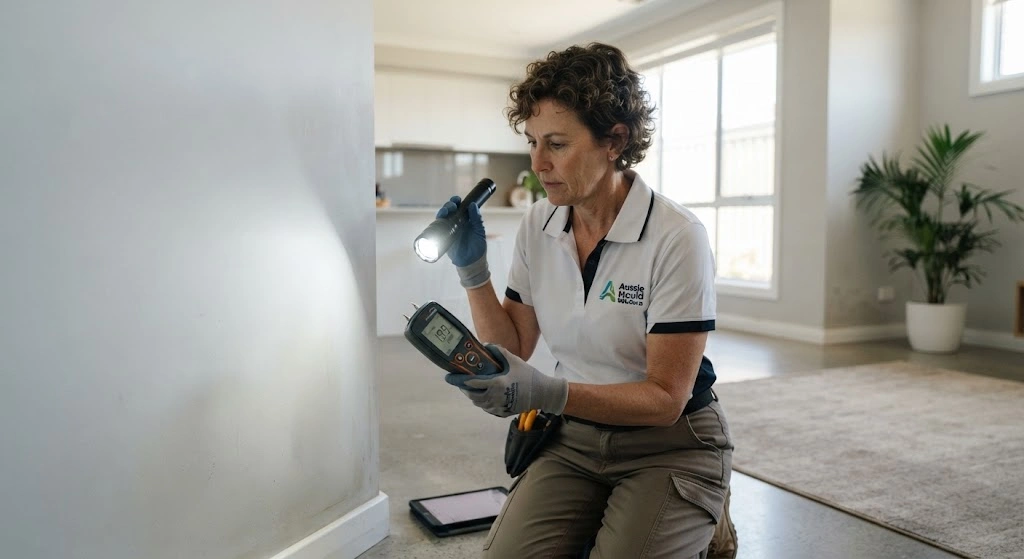
If you suspect mould is growing within your property, professional assessment is vital. Get in touch with our team at Mould Control Services to organise a professional mould inspection today.
Frequently Asked Questions (FAQ)
How do mould spores travel into a home?
Mould spores travel easily through the air or hitch a ride on clothing, pets, and open doors or windows. Because they are microscopic and highly resilient, they are naturally present in almost all environments.
Why does mould grow so fast in bathrooms and kitchens?
These areas combine frequent moisture generation (steam, water splashes, cooking) with abundant organic building materials and warmth, creating the ultimate breeding ground for fungal colonies.
Can mould grow on synthetic building materials?
Yes. Even synthetic or engineered building materials often accumulate dust, oils, or trace organic nutrients on their surfaces that allow mould spores to germinate and feed when moisture is present.